
Signature Keynote
Resilience After Adversity
Grounded Hope for People Who Have Been Through Something Real
A deeply human keynote about navigating illness, loss, uncertainty, and life-changing transitions without surrendering hope or purpose.
The Experience
What happens in the room
There is a version of the resilience conversation that asks people to be grateful for the worst thing that ever happened to them. Stephanie does not give that talk.
Instead, she offers something audiences rarely hear from a stage: an honest account of what it is to keep going through illness, loss, and uncertainty when the outcome is not guaranteed and the timeline is not yours. She speaks about breast cancer survivorship, about parenting through instability, about the specific loneliness of a season nobody around you can fix.
And then she does the harder thing — she describes what actually helped. Not slogans. Structure, honesty, faith, small commitments kept, and the people who stayed. Audiences consistently describe this keynote as the first time they felt permitted to be both hopeful and unresolved.
Why this message now
Audiences have grown skeptical of inspiration that skips the hard part. A keynote that holds difficulty and hope at the same time lands with far more credibility — and lasts far longer after the event.
What your audience leaves with
- A definition of hope that survives contact with reality
- Practical ways to support someone mid-crisis
- Language for identity change after diagnosis or loss
- A sense of being seen rather than fixed
How it is customized for you
- Faith-forward or secular framing depending on your audience
- Clinical-audience version addressing compassion fatigue and grief
- Optional quiet-room and support-resource planning with your team
- Closing reflection designed for your event's final session
Session outcomes
- Develop a healthier understanding of resilience
- Replace false positivity with grounded hope
- Reconnect with identity after disruption
- Move forward without denying what happened
Lengths
- 40 minutes
- 60 minutes with facilitated Q&A
- Keynote plus small-group session
Formats
Ideal audiences
- Healthcare systems and clinical teams
- Survivorship and patient-advocacy events
- Faith communities and retreats
- Community and nonprofit gatherings
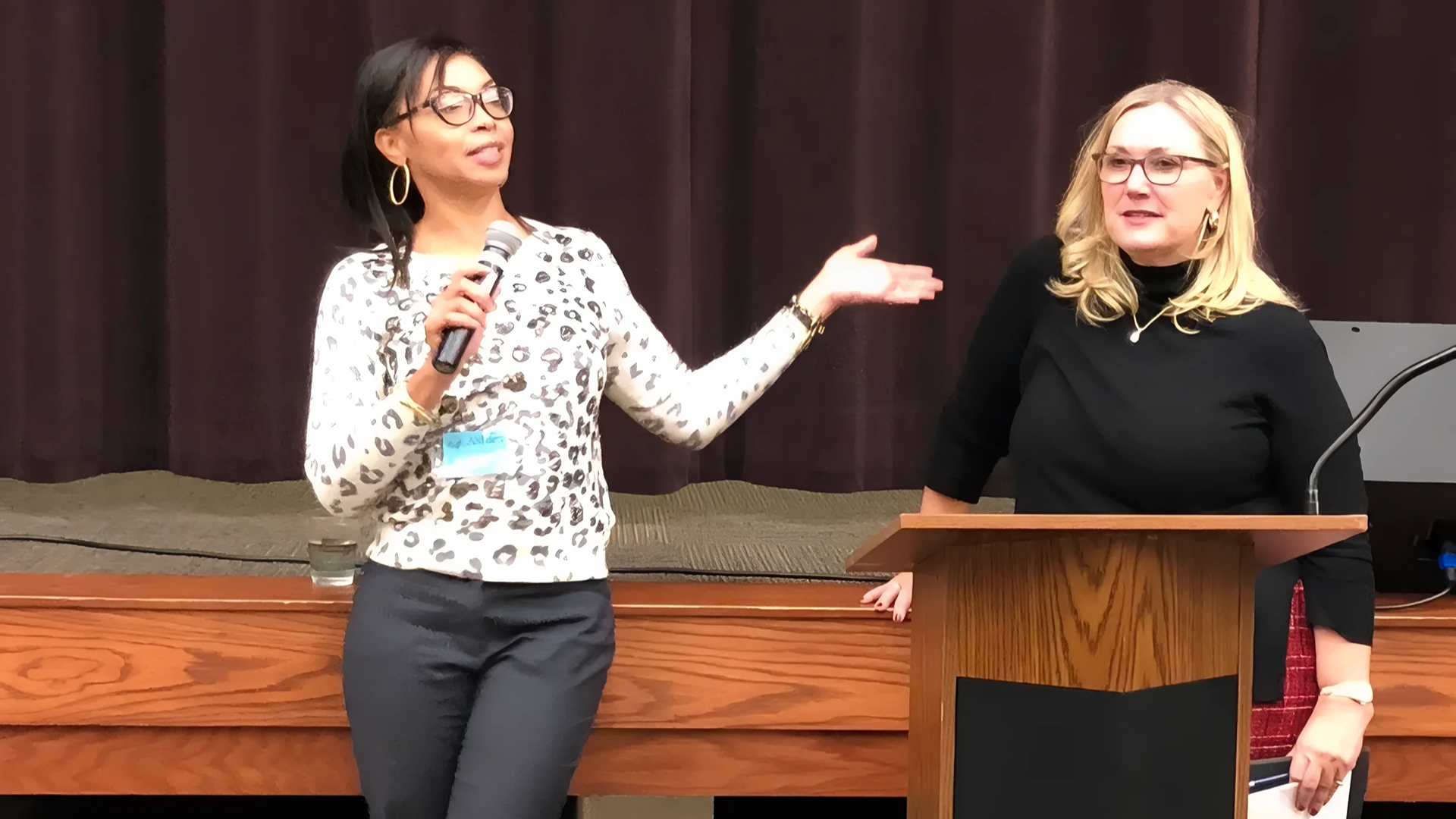
I want to give a very special thanks to the CEO of Genesis Women’s Shelter & Support, Jan Langbein as well as the President of the Women’s Alliance at Genesis Women’s Shelter & Support and survivor, Stephanie J. Bond, CPA for hosting an educational session during convention weekend. This session, A Conversation About Domestic Violence, highlighted the incredible strength and resilience of survivors. It renewed my commitment to supporting survivors and, most importantly, believing them.
Read more from Stephanie
What Organizations Get Wrong About Trauma
Most trauma-informed initiatives fail for the same reason: they are designed to manage risk rather than to make honesty survivable.

Also consider