

About Stephanie
She rebuilt in public so other people would not have to rebuild in silence
Stephanie J. Bond spent two decades keeping other people's numbers steady while her own life was being taken apart. What she offers audiences now is not a triumph narrative — it is a working explanation of how people actually recover.
Her Story
The long version
For most of her career, Stephanie was the person other people relied on to keep things steady. A CPA by training and temperament, she rose through controller and finance leadership roles to become a Vice President of Accounting and Finance. She closed books, ran teams, sat in board rooms, and was known for being unflappable.
At home, something else was happening. It did not look like the version of abuse people picture. It looked like paperwork. Accounts consolidated for convenience. Credit opened in her name and used by someone else. Documents that went missing at inconvenient moments. Each step was defensible on its own. Together they removed the exit.
She was, by every organizational measure, thriving. She was enduring, and there is no line item for that.
Leaving took longer than anyone outside the situation expects, and it took a plan built the way she would have built one at work: documentation first, then separation, then stabilization. Rebuilding took longer still. Credit. Housing. Custody. The slow reconstruction of a sense of what was normal.
Then, mid-rebuild, a breast cancer diagnosis. Treatment, survivorship, and the specific loneliness of a season nobody around you can fix. She experienced both excellent care and deeply depersonalizing care, which is why she speaks to clinical audiences the way she does — as a patient, never as an expert on their jobs.
Stephanie began speaking publicly because of a pattern she kept noticing: people telling her, quietly, that they had never heard anyone name what they were living through. She does not tell her story so that audiences feel something. She tells it so that they notice sooner.
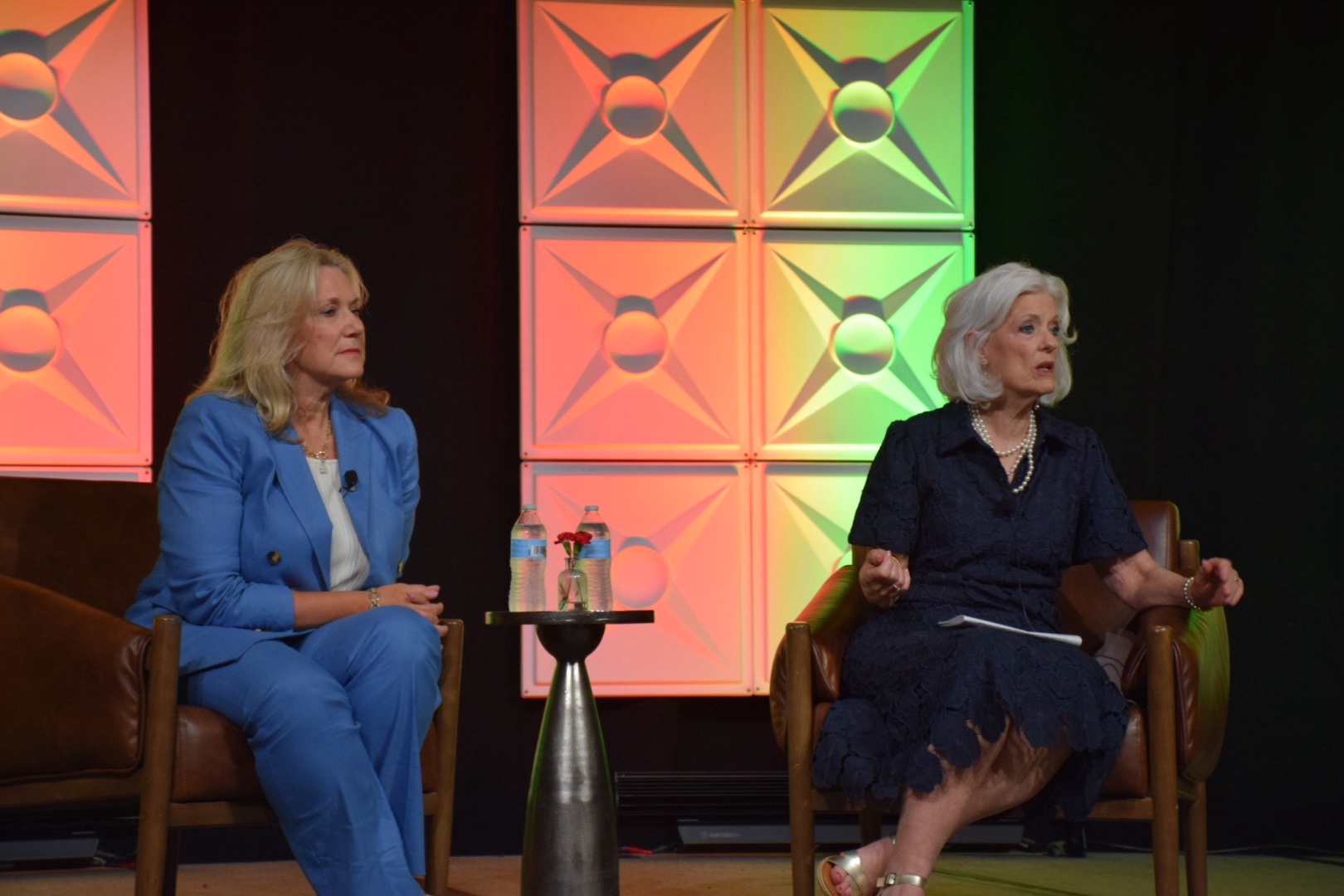
"I do not tell my story so people feel something. I tell it so people notice sooner."
Credentials
Four perspectives that rarely appear in one speaker
Certified Public Accountant
Licensed CPA with two decades in accounting and finance leadership, most recently as Vice President of Accounting and Finance.
Survivor-Leader
Survivor of coercive control and financial abuse who rebuilt credit, custody, housing, and career from the ground up.
Breast Cancer Survivor
Diagnosed and treated while rebuilding, an experience that shapes how she speaks to clinical and survivorship audiences.
Advocate and Educator
Works with advocacy coalitions, campuses, and employers to make financial abuse visible and recovery procedural.
Timeline
How she got here
2004
Into the numbers
Begins her accounting career, earns her CPA license, and starts a steady climb through controller and finance leadership roles.
2013
Two lives at once
Leads an accounting function by day while her financial independence is quietly dismantled at home. Her performance reviews stay excellent.
2018
The exit
Leaves with documentation, a plan, and almost nothing else. Discovers a credit file she does not recognize.
2020
Rebuilding, procedurally
Applies her professional discipline to her own recovery — separation of accounts, credit reconstruction, housing, custody, stability.
2022
Diagnosis
A breast cancer diagnosis arrives mid-rebuild. Treatment, survivorship, and a hard reckoning with identity.
2024
The first stage
Tells the story publicly for the first time at a regional finance conference. The line to speak with her afterward runs ninety minutes.
2026
National platform
Speaks across corporate, healthcare, campus, faith, and advocacy audiences, and writes Notes for the Journey between engagements.
How she works
What guides every engagement
Honesty over inspiration
She will not ask a room to be grateful for the worst thing that happened to them.
Dignity for everyone in the room
No one is asked to disclose. Content notes are given. Exits are respected.
Usefulness
Every session ends with something the audience can actually do.
Precision about money
Financial claims are accurate, specific, and made by someone qualified to make them.
Bring a Conversation to Your Audience That They Will Carry With Them
Tell us about your event, your audience, and the change you hope to create. We will help you explore the right experience.