
Faith Communities
Faith That Does Not Require Pretending
Faith communities are often the first place someone in crisis goes, and frequently the last place they feel able to be honest. Stephanie speaks to that gap with warmth and without judgment.
What you're navigating
The pressures in this room
Stephanie builds every session around the reality of the audience, not a generic version of it.
Pressure to appear restored
Congregants can feel that struggling openly reflects poorly on their faith.
Well-meaning advice that harms
Guidance to endure can keep someone in a dangerous situation.
Leaders without training
Pastoral staff meet trauma constantly and often have no framework for it.
Distance between belief and lived crisis
Hope that has never been tested is hard to lean on when it is.
Why Stephanie
Why this audience trusts her
- Stephanie's faith is central to her own story and she speaks about it plainly, never coercively.
- She addresses the specific ways faith communities can either protect or endanger someone in a coercive relationship.
- Her tone is pastoral in warmth and practical in substance.
Outcomes
What organizers report afterward
- Congregations gain permission to be honest about hardship
- Leaders learn what to say and what to avoid
- Safety is understood as consistent with faith, not opposed to it
- Hope is reframed as durable rather than decorative
Recommended
Keynotes that fit this room
Any of the six experiences can be adapted, but these are the ones most frequently selected for this audience.
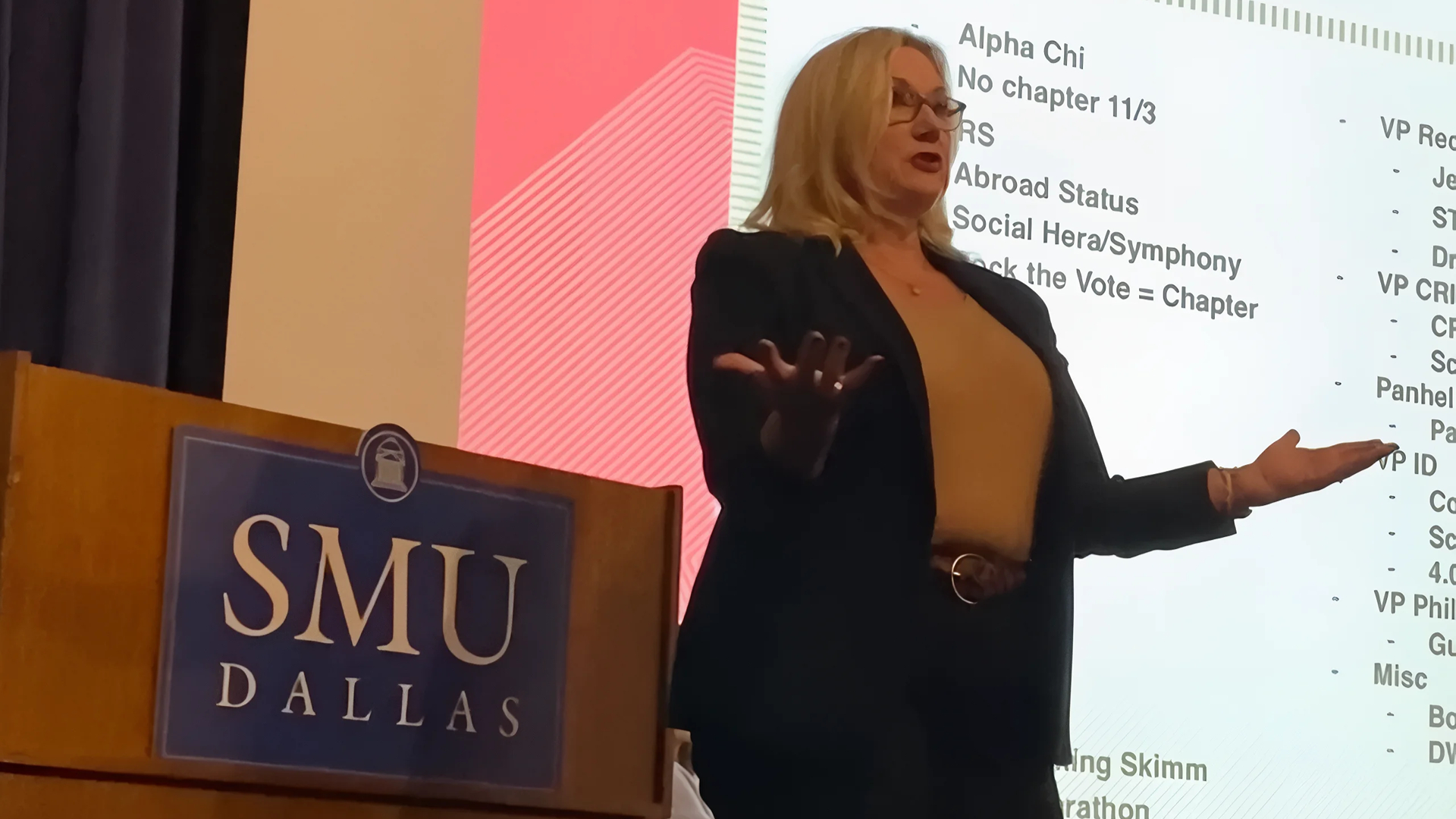
"Domestic violence suffers greatly from a 'not in my backyard' syndrome," Bond told the audience. "We think it happens to people over there."
Questions
What planners in this sector ask
Other pathways
Explore another audience
Bring a Conversation to Your Audience That They Will Carry With Them
Tell us about your event, your audience, and the change you hope to create. We will help you explore the right experience.